
Systems Handle Unique Challenges
Why Industrial HVAC Matters?
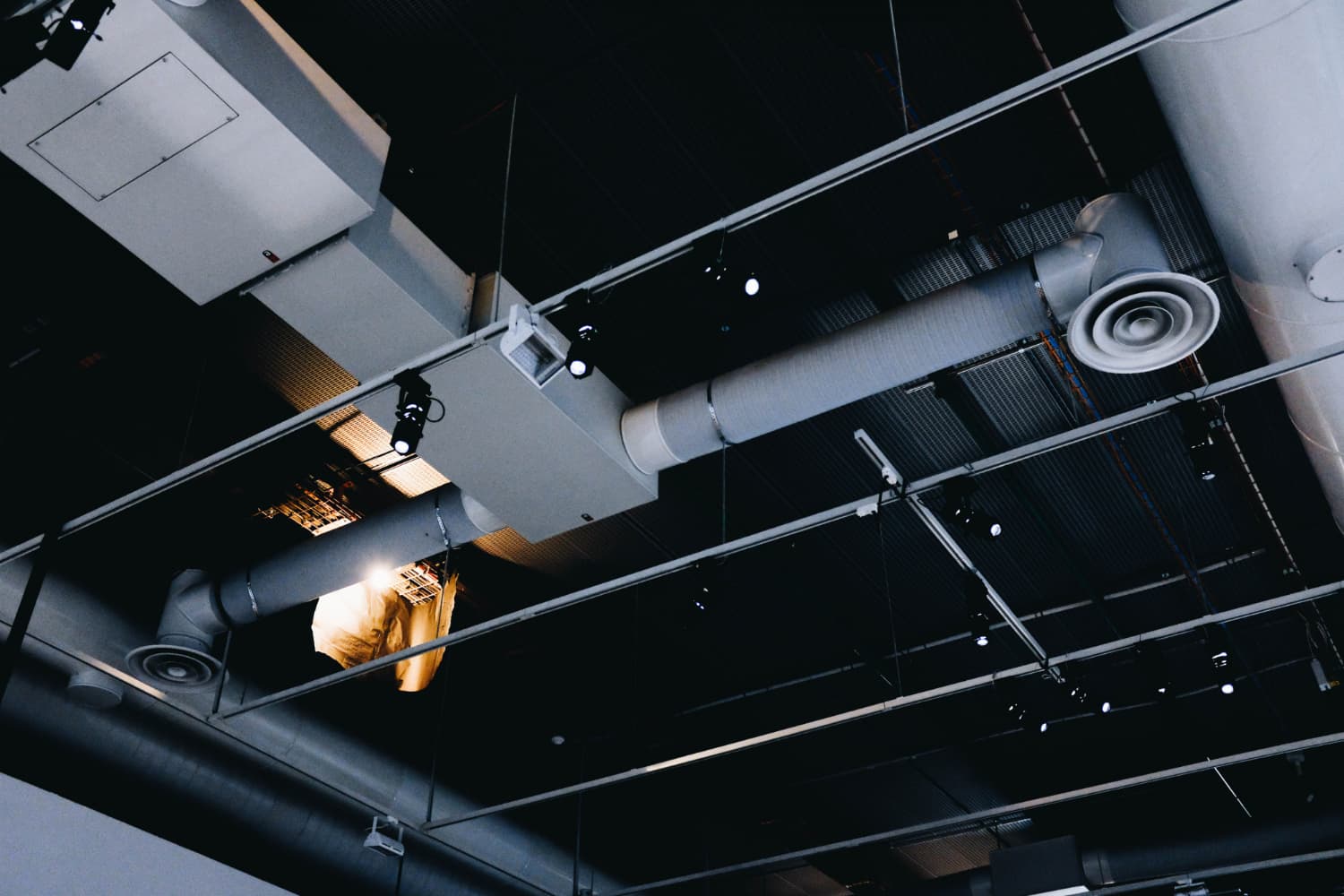
Heat from Equipment
Motors, pumps, and VFDs produce large heat loads that must be managed to protect critical assets.
Contaminant Control
Dust, vapors, and chemicals can compromise air quality and worker safety.
Humidity Regulation
Prevents condensation, mold growth, and corrosion.
Process stability
Maintains integrity of medications, chemicals, and sensitive manufacturing.
Industries
We serve critical facilities
Each industry demands precision. Smart Komfort delivers it.
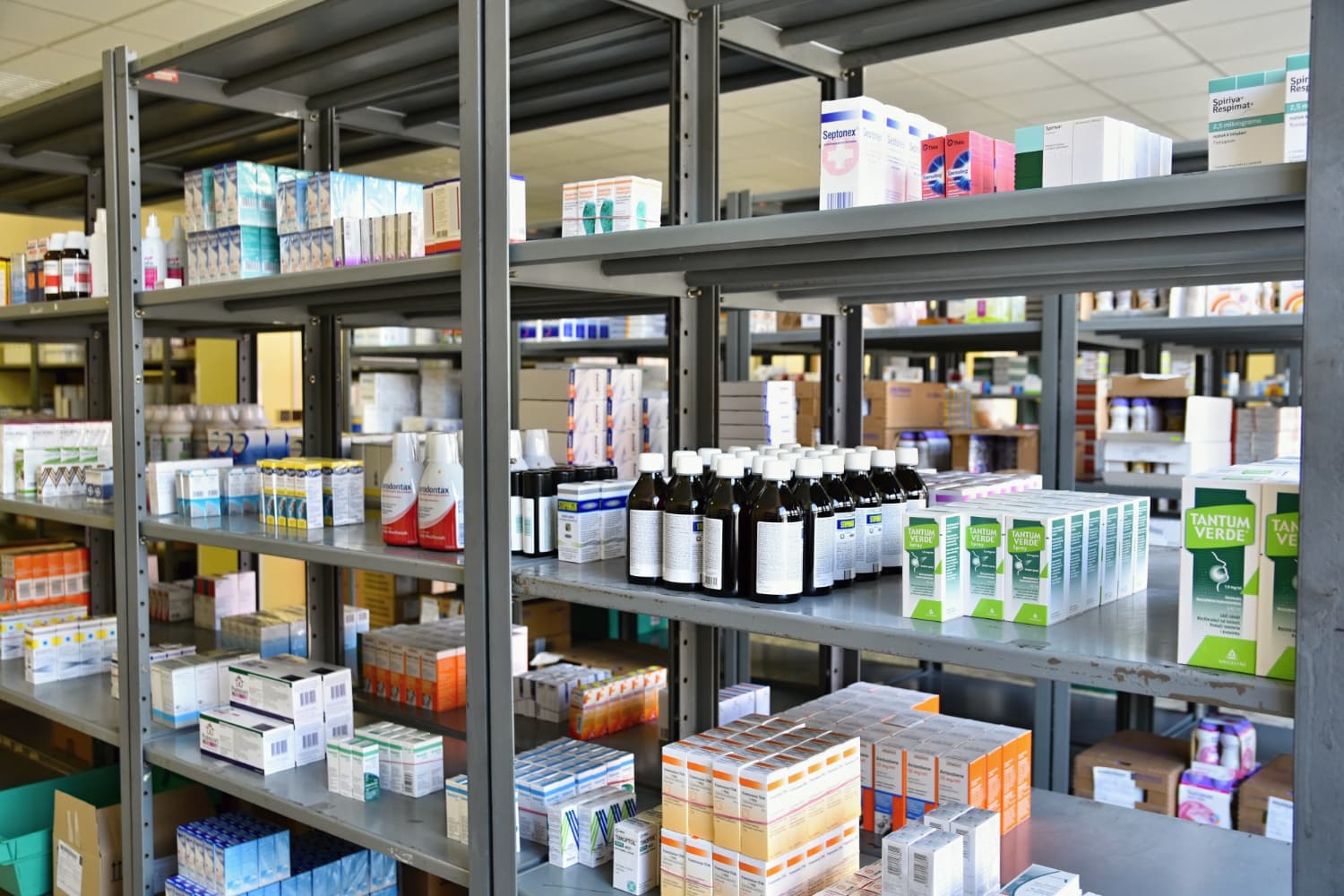
Clean air, precise control for medication integrity
Maintaining medicine quality requires clean air and consistent ventilation. Whether medications are in liquid, solid, or gaseous form, Smart Komfort delivers clean air, regulated pressurization, and precise temperature and humidity management to preserve medication integrity.
Clean air, precise control for medication integrity
Maintaining medicine quality requires clean air and consistent ventilation. Whether medications are in liquid, solid, or gaseous form, Smart Komfort delivers clean air, regulated pressurization, and precise temperature and humidity management to preserve medication integrity.
Designing Industrial HVAC Systems
We follow a proven, step by step process - Smart Komfort's Approach
Step One
Detailed Load Calculations
How heat builds up in a factory depends on three main things: what's happening inside the building (machines running, lights on, workers present), what's coming from outside (sunlight and weather), and what the factory is actually doing (how hard the equipment is working to make products or run chemical processes).

Step Two
Equipment Selection
The overall HVAC equipment is carefully selected based on comprehensive load calculations, budget considerations, efficiency ratings, available space constraints, and specific air quality requirements for the facility.We also conduct a thorough deep dive into the entire selection process and investigate the application of corrosion- resistant coatings as and when they are required to ensure long - term durability and optimal system performance. Our team evaluates each factor meticulously to guarantee that the chosen equipment meets both current operational needs and future maintenance expectations.

Step Three
AirFlow & Duct Design
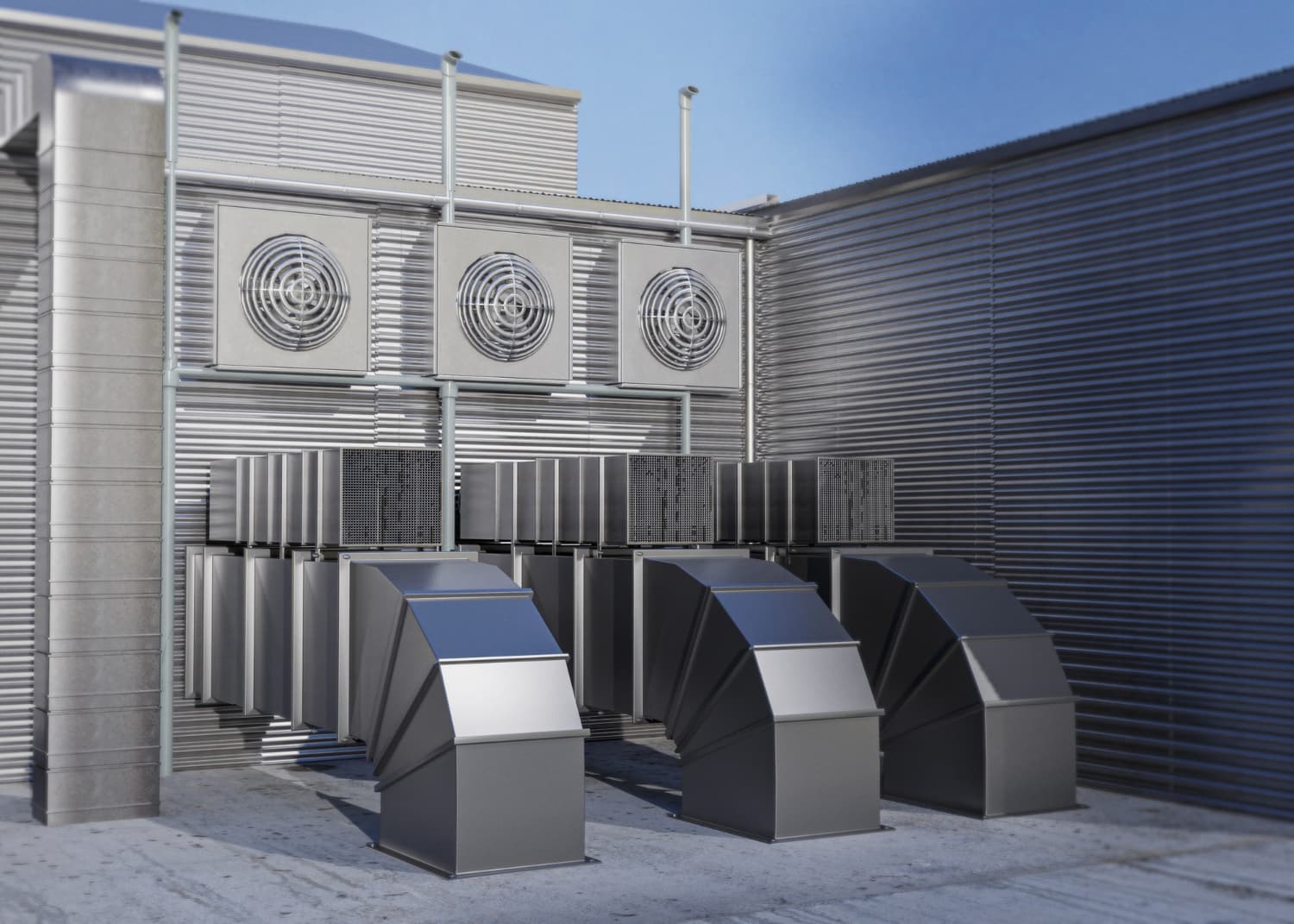
We look into these aspects while calculating the airflow requirement and Design specifications for duct systems should include air change rates appropriate for high - pollutant environments, duct dimensioning to reduce pressure loss and acoustic emissions, and industrial- grade materials suitable for corrosive or elevated - temperature applications. Air change rates for high - pollutant areas. Duct sizing to minimize pressure loss and noise. Industrial - grade materials for corrosive or high - heat environments.
Step four
Building Automation System (BAS/BMS) Integration
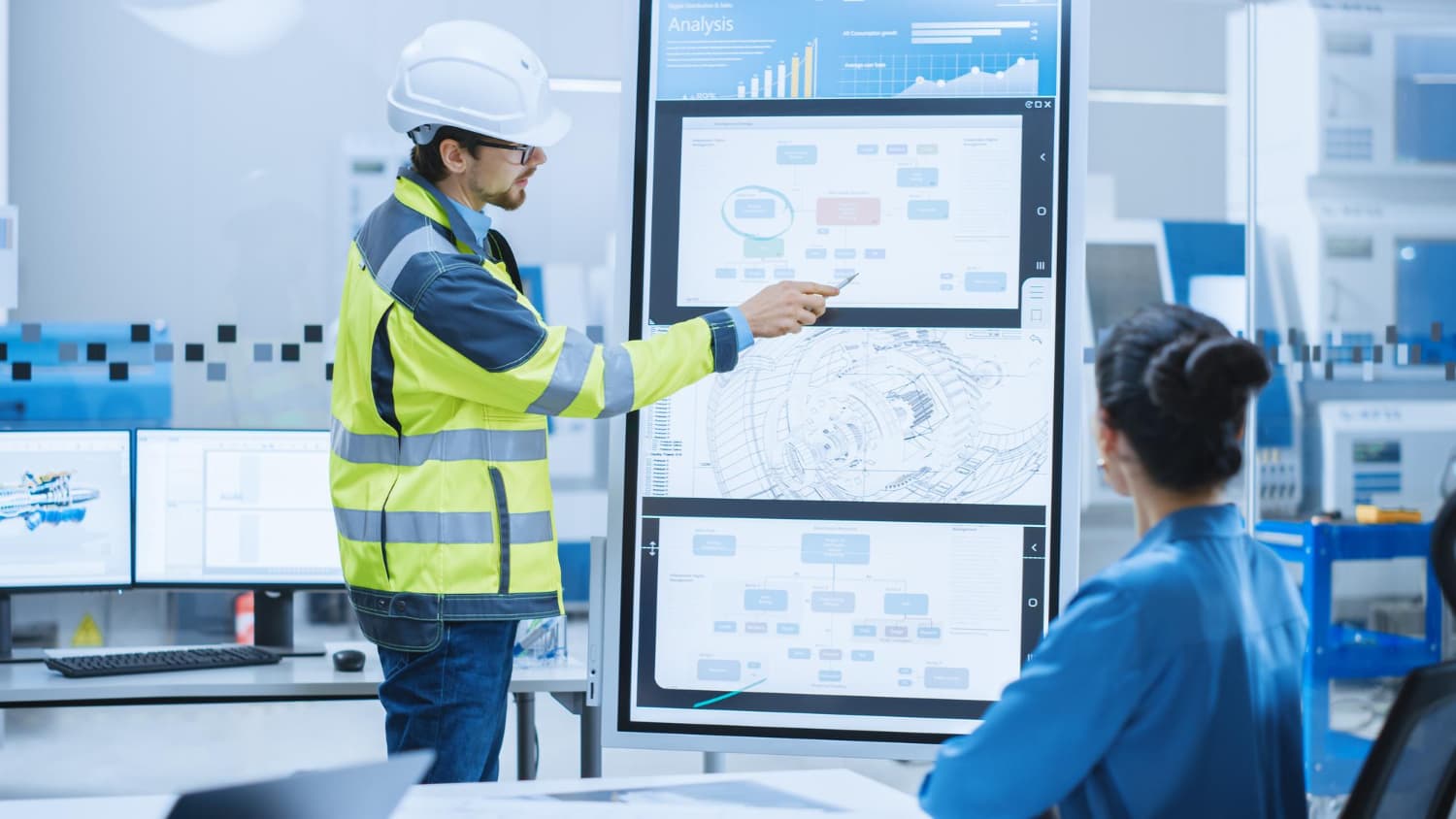
Integration of the Building Automation System (BAS) and Building Management System(BMS) is extremely important for modern facility operations.These integrated systems enable centralized control and real- time monitoring of all building functions, provide predictive maintenance alerts to prevent equipment failures, and facilitate seamless integration with lighting systems, fire suppression systems, and security infrastructure.By combining these critical components, facility managers can achieve greater operational efficiency, improved safety, and reduced maintenance costs across the entire building environment.
Custom Engineered HVAC Design
Indirect Direct Evaporating Cooling (IDEC)
Smart Komfort systems address key industrial demands:
When it comes to cooling and ventilating large production halls, two-stage evaporative (adiabatic) cooling stands out as the most sustainable and effective solution available.
Unlike energy-hungry conventional AC systems, our unique cooling method uses the natural evaporation of water - not harmful refrigerants - to lower temperatures while continuously delivering fresh, filtered air.
The result? A comfortable, healthy, and highly productive working environment for your team.
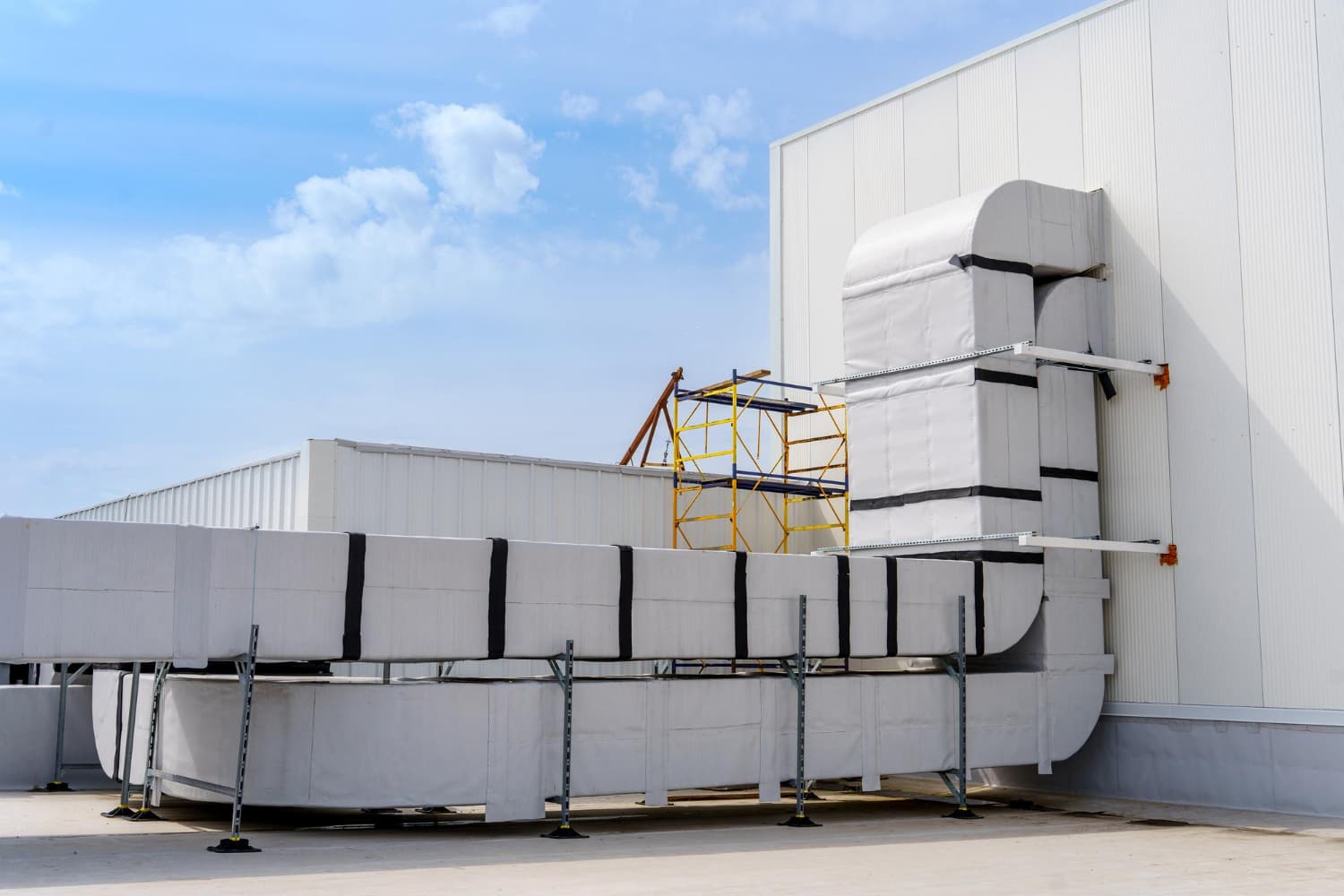
Standards
Constructed to meet
standards consistently
ASHRAE, EPA, OSHA, and ISO compliance

Regulatory
Industry standards and safety compliance
We design comprehensive systems that consistently meet or exceed every single requirement you specify. There's no guesswork involved in our process, no shortcuts that compromise quality, and no unnecessary risk to your operation's continuity or performance.
Systems
Common Industrial HVAC configurations
Choose the right system for your facility
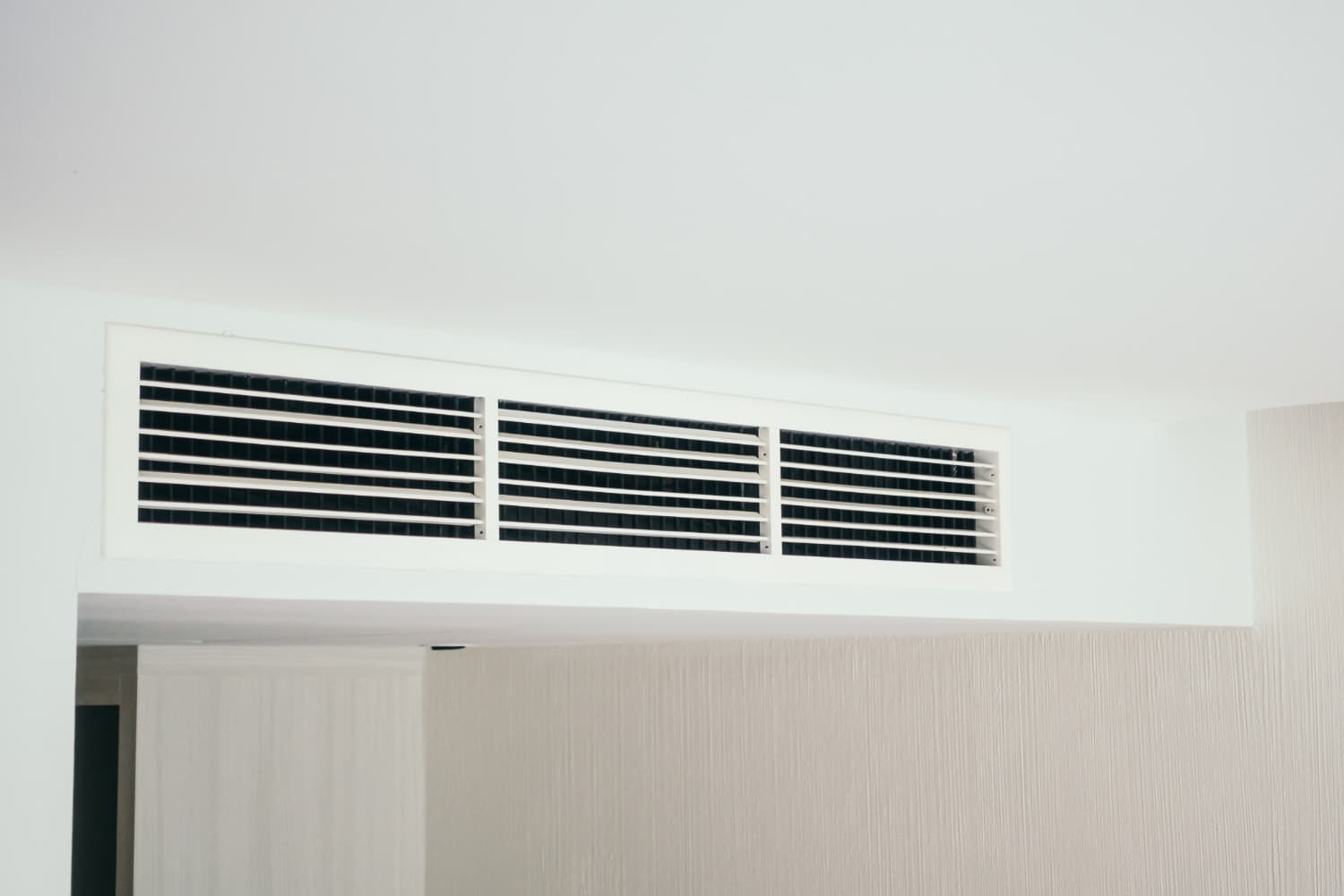
Single or multi-split systems
Indoor unit with evaporator for heat absorption and outdoor unit with condenser and compressor for refrigerant circulation. Industrial sizes from 6 to 25 tons for various commercial and industrial cooling applications.
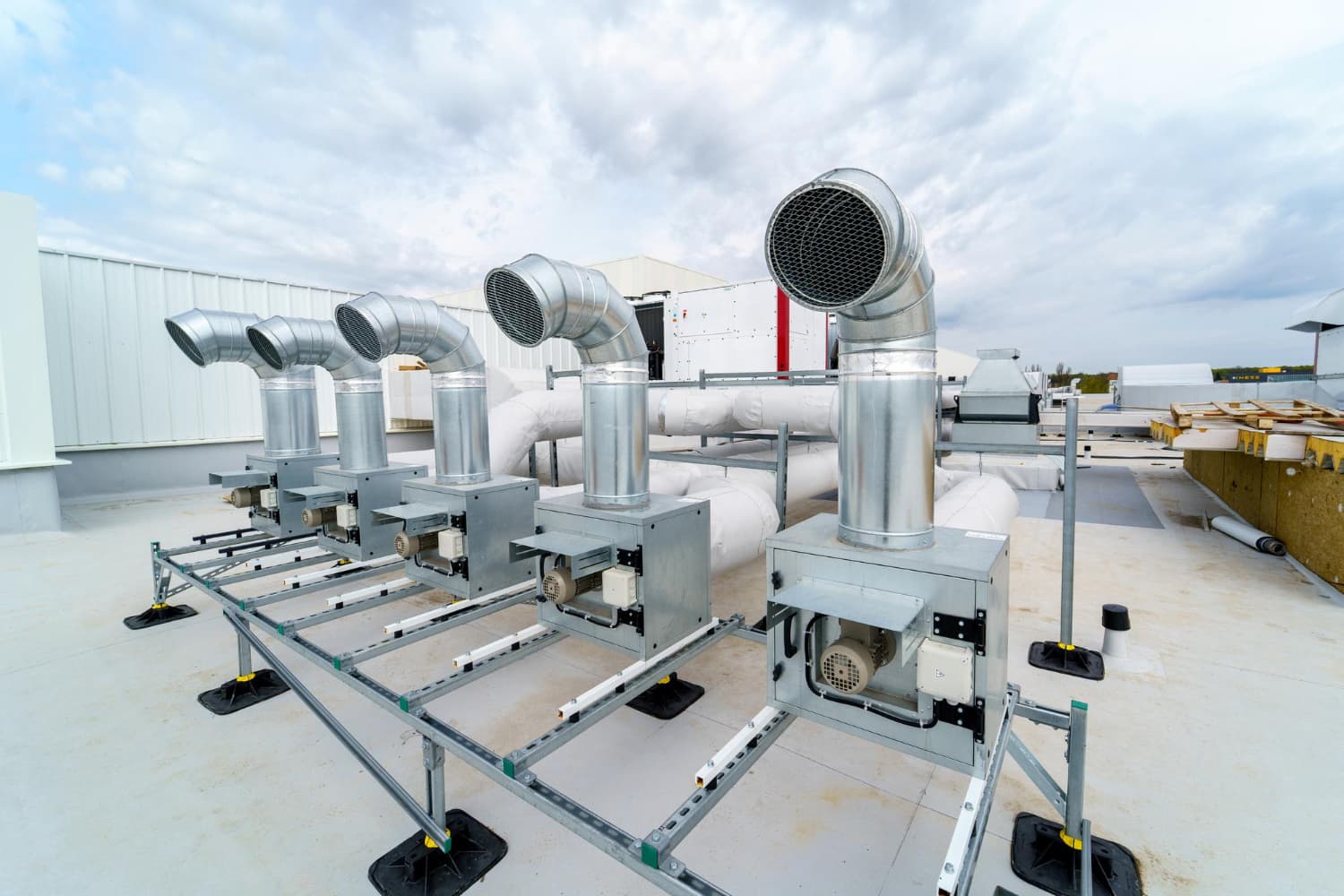
Packaged heating and cooling Units
All essential components integrated seamlessly into one unified unit, whether mounted on the roof or positioned at ground level for flexible installation options.
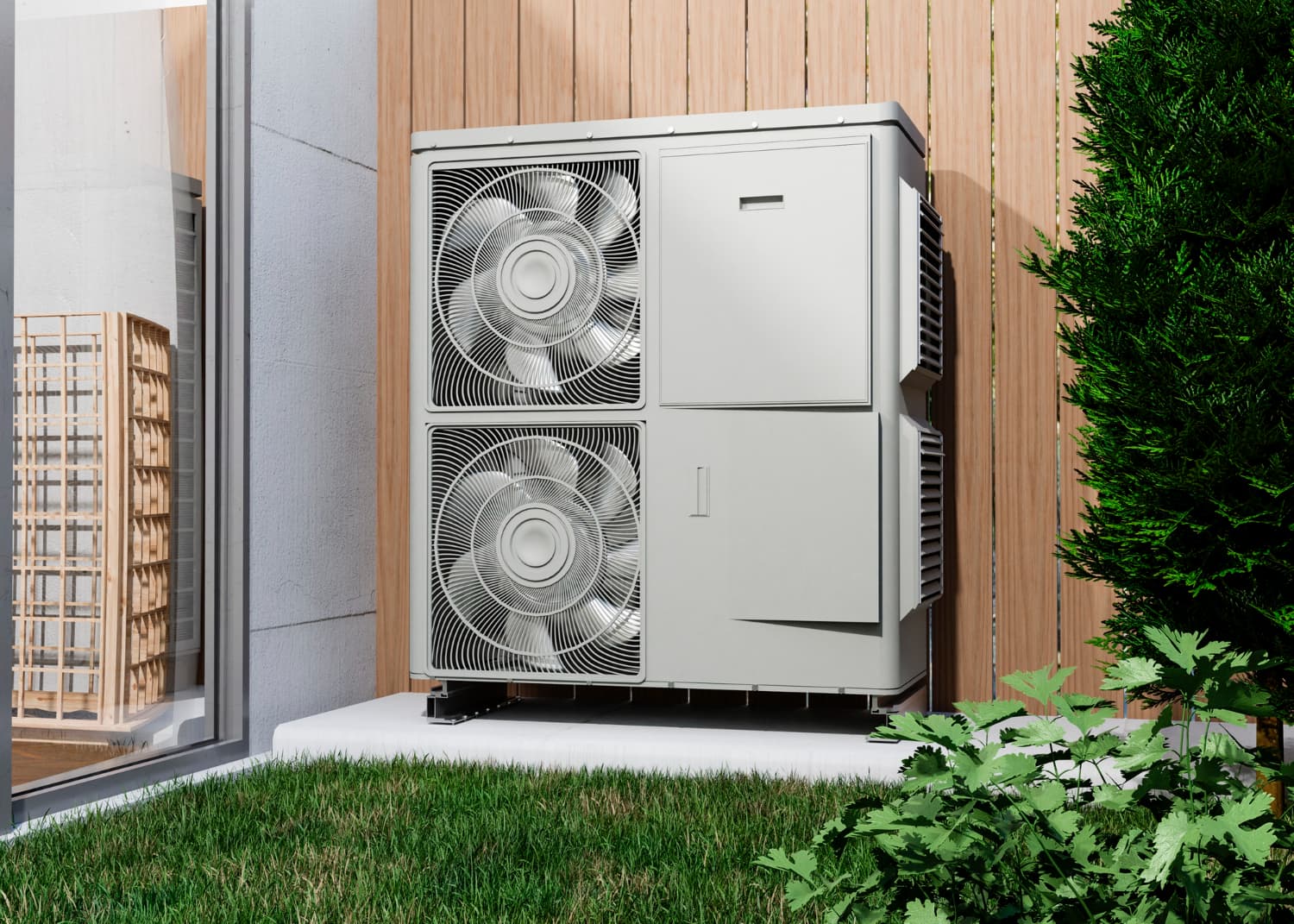
VRF and VRV systems
Multiple indoor units connected to a single outdoor unit with variable refrigerant flow technology, allowing for independent temperature control and flexible operation across multiple zones simultaneously.
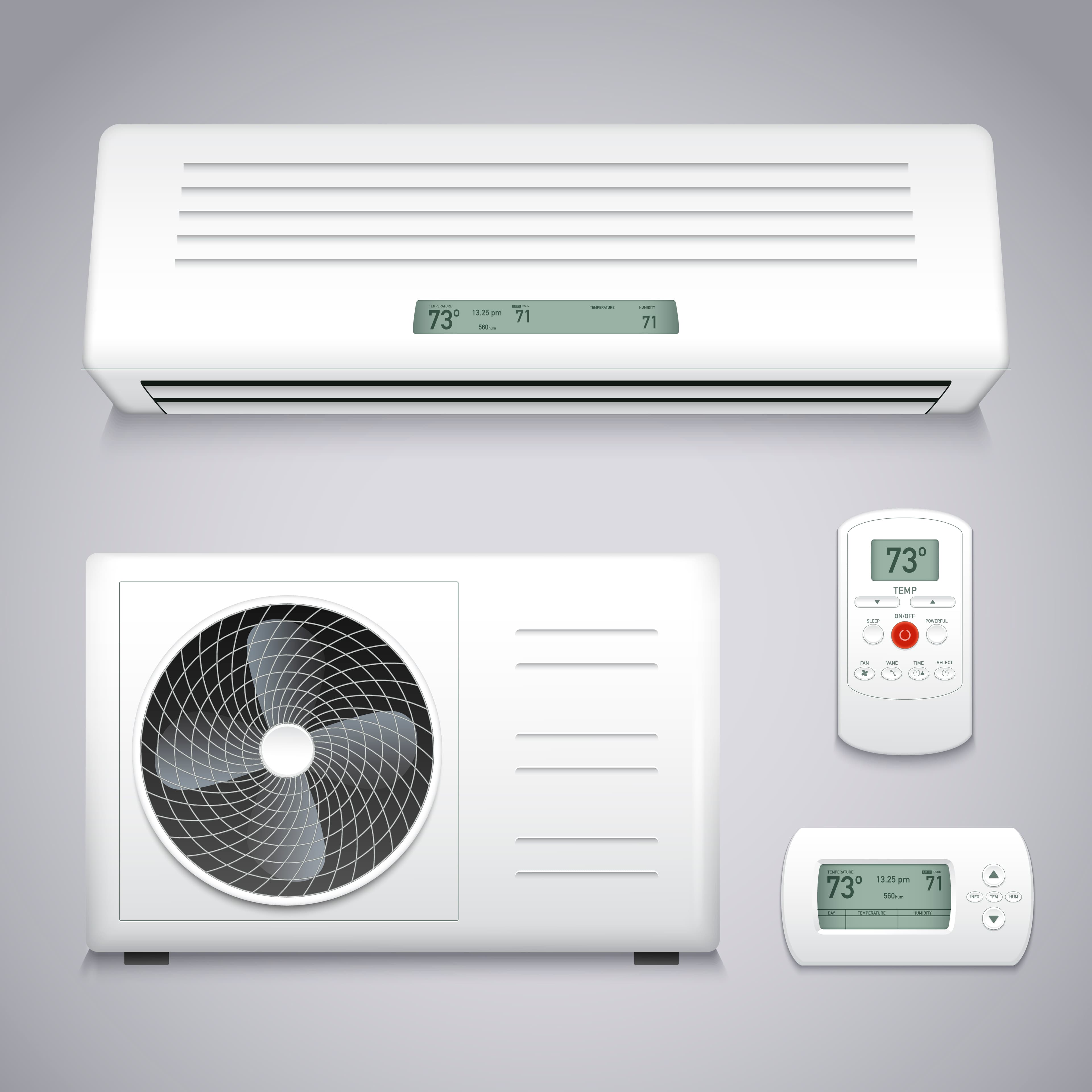
Ductless mini-splits systems
Small zones with capacities ranging from 0.5 to 3 tons offer easy installation and flexible mounting options that adapt to various space requirements and configuration needs.
